Monday, June 21, 2010

Aviation Park in Tokorozawa

Tokorozawa aviation memorial park
Tokorozawa aviation memorial park in the Saitama prefecture in Tokorozawa city, with 50 HA is the largest in the prefecture. The park it is also known as the birthplace of Japanese aviation as the first Japanese aircraft dedicated airport was established here in 1911.

DSC_0021
DSC_0994
DSC_0988
The U.S. forces seized the airfield after the war, until 1967 when it returned to Japanese goverment. Designeted as a prefectural park in 1974, and opening to public four years later in 1978.

airplane museum
There is also the magnificent Tokorozawa aviation museum, with a display of airplanes, helicopters, engines and flight simulators; unfortunately, by the time I get there it was alredy close, so I could not get in.

C46A plane
YS11 plane
In the outdoors exhibitions, a C46A cargo plane and an YS11 plane are in exposición.

DSC_0999
DSC_0001
DSC_0004
pond on Japanese garden
DSC_0012
Additionally a Japanese garden is in the center of the park, with a pond and a teahouse.

Español

Thursday, June 3, 2010

Japanese war soldiers’ shrine Yasukuni Jinja

DSC_0428
Yasukuni Jinja in Chiyoda ward in Tokyo is the Shrine dedicated to the soldiers who died on the Japanese wars.

DSC_0967
DSC_0962
The Shrine originally one of the main State Shinto shrines, until the separation between the church and the state in 1946.


Yasukuni
DSC_0942
Yasukuni Shrine
There is a great controversy with the shrine as it has enshrined WWII criminals. As an outcome, when prime ministers visit the shrine, many countries condemn the visit.


DSC_0948
DSC_0441
In the premises there is also the Yushukan war museum, many war relics are housed there, included a zero fighter plane.

motomiya
Next to the main shrine or hoden there is the motomiya or original shrine.

Shinchi teien
Behind the honden there is the Shinchi teien or sacred pond garden, with a small waterfall.

Español
Wednesday, May 26, 2010

Portable shrine Omikoshi

DSC_0901
Mikoshi (also know as omikoshi when the honorific “o” is added) or Portable shrines are used on shrine’s festivals to take the god of the local shrine around the neighborhood. The size varies from the small ones, about 50kg, carried by the childrens on the early days of the festivals, to the very large ones, of over one ton, used by the very old shrines.

DSC_0895
DSC_0892
The shrine festival and the omikoshi parade are one of the most looked forward festivals on neighborhoods. Everybody dress up on “happy coats” decorated with the neighbordhood emblem, organizers are happy to lend them if you register in advance to carry the mikoshi.

DSC_0902
The Omikoshi is paraded around the neighborhood, bouncing it in coordination to the music and participants cheers, a different cheer is used in each area of japan. I personally prefer to join the smaller shrines festivals where you can actually participate as oppose to the most famous and bigger shrines where is difficult to join the action.


Español

Friday, May 21, 2010

Azalea festival at Nezu shrine

DSC_0847
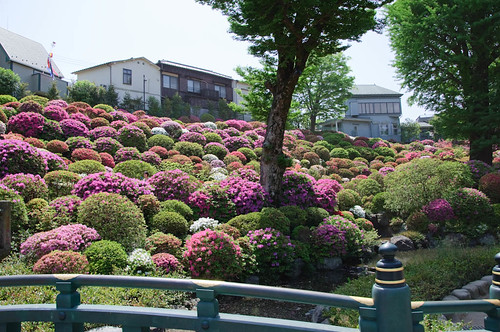
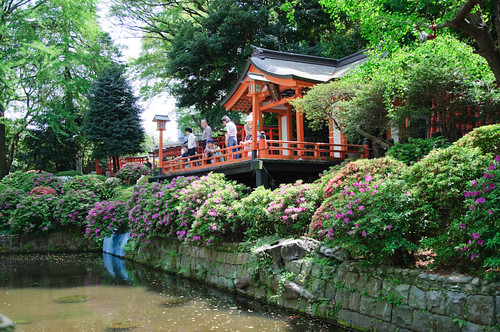
Nezu shrine in Bunkyo Tokyo, celebrates the Azalea festival in late April early May.

DSC_0841
DSC_0844
Dates change every year to go with the blooming of the Azaleas; weekends are extremely busy during the festival as the shrine receives a very large number of visitors.

Nezu shrine
DSC_0865
Bronze lantern
DSC_0859
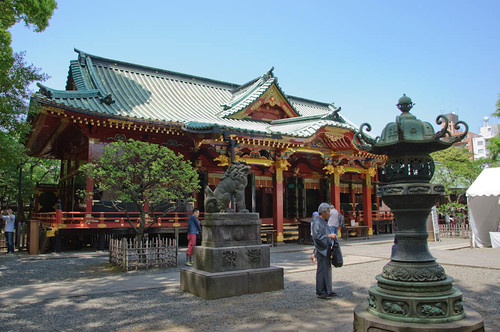
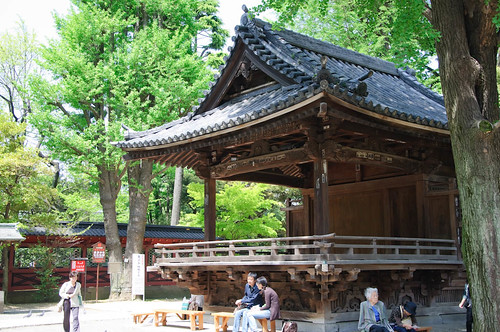
Nezu shrine is said to have been established over 1900 years ago. Tsunayoshi Tokugawa built the structures standing today in 1705, accordingly the main hall, the worship hall, the offering hall and the bronze lanterns have been designated as important cultural properties, being the oldest original constructions in Tokyo.

Romon
Karamon
west gate
sukibei
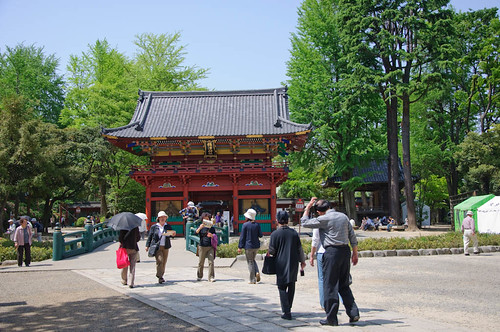
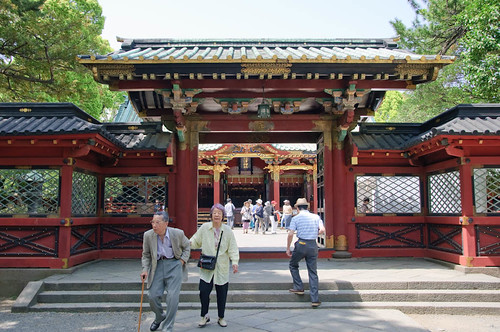
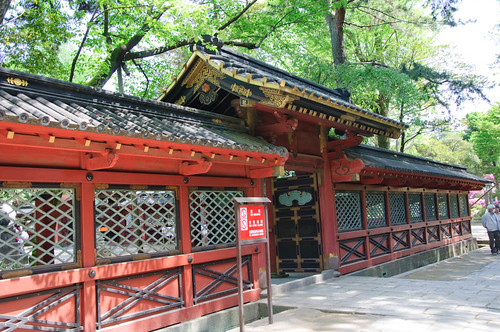
The Roumon (tower gate), the karamon, the west gate and the wall are also designated important cultural properties.

Komagome Inari shrine
Komagome inari Jinja
DSC_0814
Otome inari

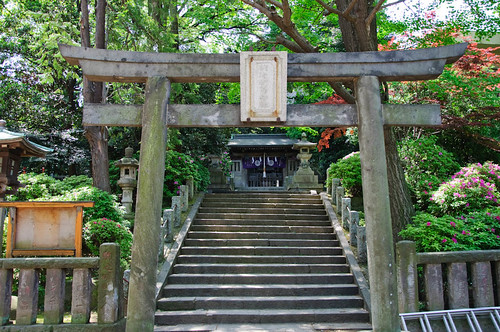
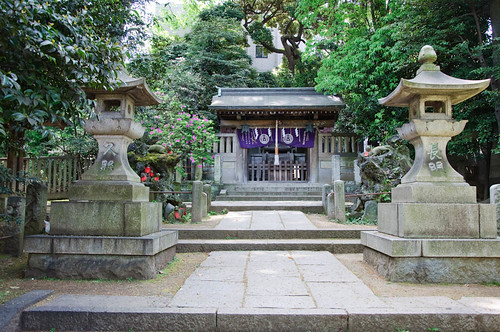
At the same premises, at the west, the Otome inari and the komagome inari are dedicated to the godess of rice inari, with their colorful tori gates.

Español

Wednesday, May 12, 2010

Lazona Shopping mall

DSC_0917
Lazona is a popular shopping mall in Kawasaki, Kanagawa prefecture. The mall opened in 2006 and is located next to the Kawasaki station west exit.

DSC_0923
DSC_0922
DSC_0920
The name is a combination of the words, Lazo (lasso) and Zona (region), the roof was designed by the Spanish architect Ricardo Biofill the plaza is very distinctive as it gives the impression of ground floor despite being a second level.

DSC_0924
DSC_0926
The large number of stores at Lazona, currently over 280, is with no doubt one of the reasons of the popularity, additionally one of the two IMAX theaters in Japan is located there (the other is located in Saitama, a no so short trip from Tokyo).
The place is always full of customers, especially on weekends.

Español

Sunday, May 9, 2010

Children’s day in Japan

Children's day armor
Japan celebrated the children’s day last May 5th. This day is to celebrate only the boys as girls are celebrated on doll’s day.

Koi nobori
DSC_0877
Similar to doll’s day, families with boys decorate the house with a Japanese warrior helmet, and lately with the full Japanese warrior armor. Additionally Koi nobori flags are raised on that week, symbols of a strong and healthy boys. The three Koi (carp) represent the Father, the mother and the boy.

Español

Thursday, May 6, 2010

Golden Week in Japan

DSC_0793
Japan is celebrating the “golden week”, a very long holiday weekend. Most of people take extra days off at work to make it a weeklong holiday.

DSC_0784
DSC_0797

Most of the people in Tokyo goes out of town to visit their hometown, congesting the already busy highways. I personally avoid going out on this holiday as I have bad memories of being trapped in traffic for hours and hours.

DSC_0796
DSC_0772
As the weather has been good everyday during the holiday, sunny and warm, I headed to the pond at a nerby park to cool off the heat and relax.

Español